 by
by 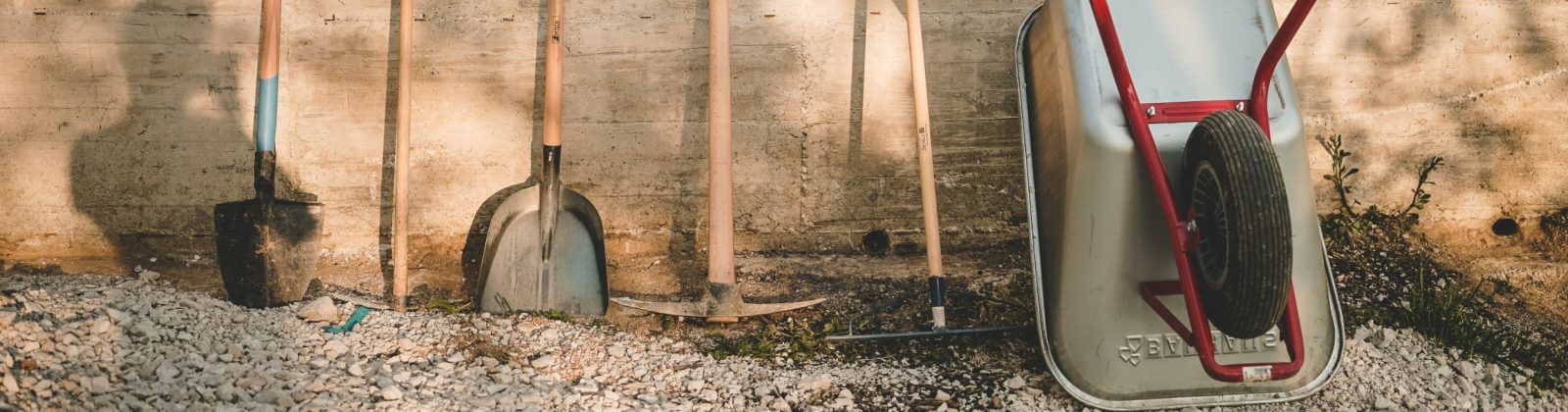
If you want to keep your garden tidy, healthy and looking its best, you don’t need lots of expensive machinery. In fact, some of the most important gardening tools don’t use any power at all.
As a working gardener, I use these five essential non-power tools every week. They are simple, reliable and perfect for regular garden maintenance.
If you are building your own gardening toolkit, start here.
1. A Strong Hand Trowel
A hand trowel is one of the most important garden tools you can own.
It is small, easy to use and perfect for:
- Planting flowers and bedding plants
- Digging small holes
- Removing weeds
- Mixing compost into soil
- Potting up plants
Look for a trowel with:
- A solid stainless steel blade
- A comfortable handle
- Strong construction (avoid very thin metal)
A cheap trowel often bends after a few uses. Investing in a strong one will save money in the long run.
If you only buy one gardening tool, make it this.
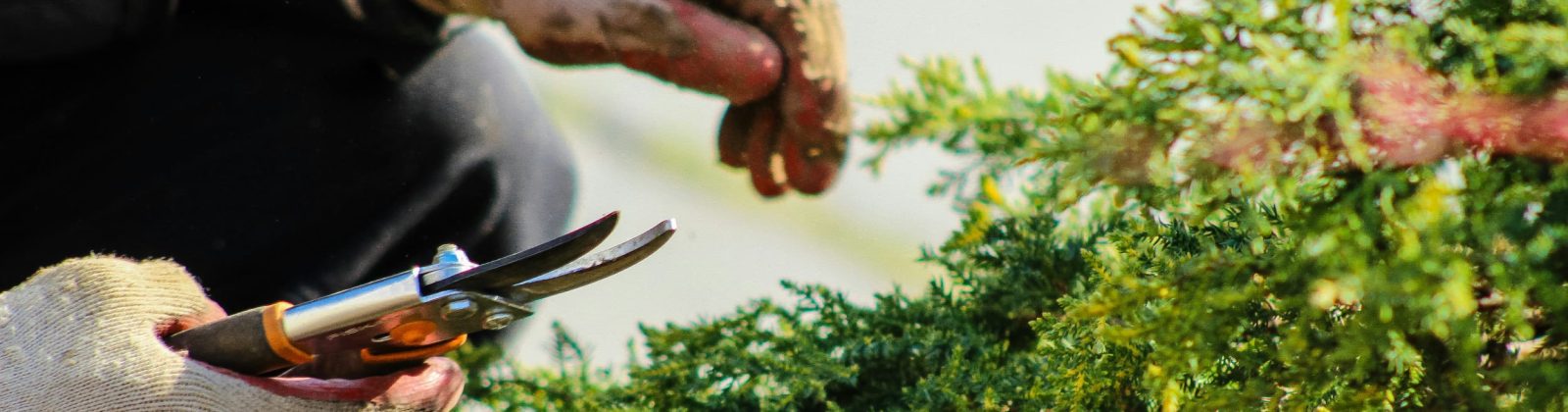
2. Secateurs (Hand Pruners)
Secateurs are essential for cutting and pruning plants properly.
They are used for:
- Cutting back shrubs
- Deadheading flowers
- Trimming roses
- Removing damaged stems
- Harvesting fruit and vegetables
Clean cuts are important for plant health. Using sharp secateurs helps prevent disease and damage.
When choosing secateurs:
- Pick bypass secateurs for live plants
- Make sure they feel comfortable in your hand
- Keep them clean and sharp
Blunt tools tear stems. Sharp tools keep plants healthy.
3. Garden Fork
A garden fork is ideal for improving soil and general garden maintenance.
It is perfect for:
- Turning soil
- Breaking up compacted ground
- Lifting plants
- Mixing compost or manure
- Removing deep-rooted weeds
Compared to a spade, a fork is often easier to push into heavy soil.
If your garden has clay soil, a strong garden fork will quickly become your best friend.
Choose one with:
- Solid steel prongs
- A strong wooden or fibreglass handle
- A comfortable grip
Good soil preparation is key to a healthy garden. A fork helps you do this properly.
4. Hand Weeder
Weeding is part of regular garden maintenance. A hand weeder makes it much easier.
This simple tool helps you:
- Remove weeds from flower beds
- Pull out roots properly
- Work between paving slabs
- Weed tight spaces
Many weeds grow back if you do not remove the full root. A hand weeder allows you to dig underneath and lift the whole plant.
Look for one with:
- A forked or pointed metal end
- A sturdy handle
- A comfortable grip
Keeping on top of weeds stops them spreading and saves time later.
5. Stiff Garden Rake
A garden rake is essential for keeping beds and lawns tidy.
It can be used for:
- Levelling soil
- Removing stones
- Spreading topsoil
- Clearing leaves
- Tidying gravel areas
A stiff rake (with metal tines) is best for soil work. A flexible leaf rake is better for lawns, but if you are starting out, a strong metal rake is more versatile.
Raking regularly:
- Improves soil structure
- Keeps beds neat
- Helps grass stay healthy
- Prevents moss build-up
It is a simple tool that makes a big visual difference.
Why Non-Power Tools Are Important
Power tools can be useful. But non-power tools have real advantages:
- No electricity or fuel needed
- Lower cost
- Less maintenance
- Safer for beginners
- More precise control
For small gardens especially, hand tools are often all you need.
They are also quieter and better for the environment.
Frequently Asked Questions
What basic tools does every gardener need?
Every gardener should have:
- Hand trowel
- Secateurs
- Garden fork
- Hand weeder
- Garden rake
These tools allow you to plant, prune, weed and maintain your garden properly.
Are hand tools better than power tools?
For small gardens and regular maintenance, hand tools are often better. They offer more control, are cheaper and require less upkeep.
How do I make my gardening tools last longer?
- Clean tools after use
- Dry them properly
- Sharpen blades regularly
- Store in a dry shed or garage
Looking after your tools means they will last for years.
Final Thoughts
You do not need lots of expensive equipment to maintain a healthy garden. With these five essential non-power gardening tools, you can handle most routine garden jobs with ease.
Start simple. Buy good quality tools. Keep them clean and sharp.
If you ever need help with garden maintenance, planting, pruning or general tidy-ups, feel free to get in touch.
A well-maintained garden always starts with the right tools — and a bit of regular care.
Leave a Reply